



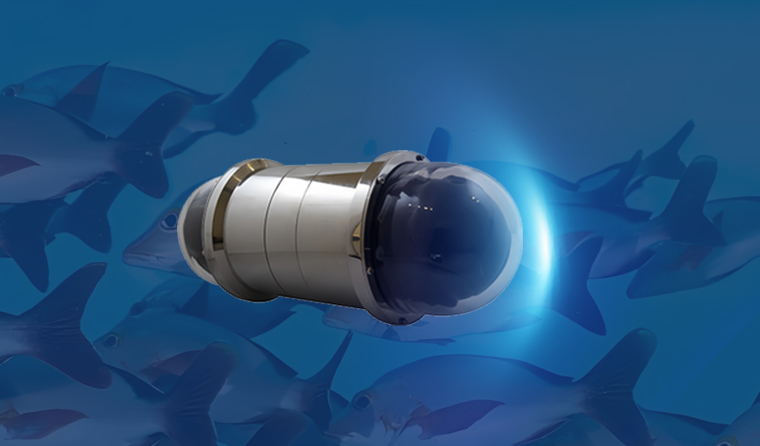
In the modern aquatic aquaculture industry, underwater aquaculture cameras have evolved from auxiliary equipment to core productivity tools, infusing traditional aquaculture models with the technological genes of precision and visualization. Their core value lies in breaking the information barrier of the underwater environment, allowing farmers to real-time grasp the growth status, feeding situation of cultured organisms and changes in the aquatic ecosystem, completely bid farewell to the traditional model of "judging by experience and relying on luck for aquaculture".
In practical applications, the functions of underwater aquaculture cameras cover the entire aquaculture cycle: in the initial stage of stocking, they can monitor the distribution and survival of seedlings, and adjust the stocking density in a timely manner; during the growth period, they can real-time observe the activity frequency and body growth of fish and shrimp, accurately match the feeding amount, and avoid feed waste and water pollution; in the later stage of aquaculture, they can detect potential disease hazards, capture abnormal behaviors of fish and shrimp through high-definition images, such as swimming alone away from the group and body surface lesions, providing a basis for early intervention. At the same time, cameras equipped with water quality sensors can also synchronously transmit data such as water temperature, dissolved oxygen and pH value, realizing the dual guarantee of "image monitoring + data monitoring" and greatly reducing aquaculture risks.
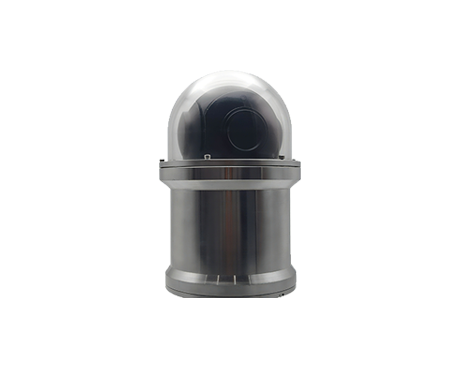
For large-scale aquaculture bases, the remote control and multi-point linkage functions of underwater aquaculture cameras are more advantageous. Through mobile APPs or computer terminals, farmers can view real-time underwater images of multiple aquaculture cages and ponds at the same time without on-site travel, significantly improving management efficiency. Some high-end equipment also has AI intelligent recognition functions, which can automatically count the number of cultured organisms, analyze growth uniformity, and even identify specific disease characteristics, minimizing the subjective error of manual judgment and promoting the transformation of the aquaculture industry towards digitalization and intelligence.
For more information about underwater aquaculture camera, please visit the homepage.



